
Introduction:
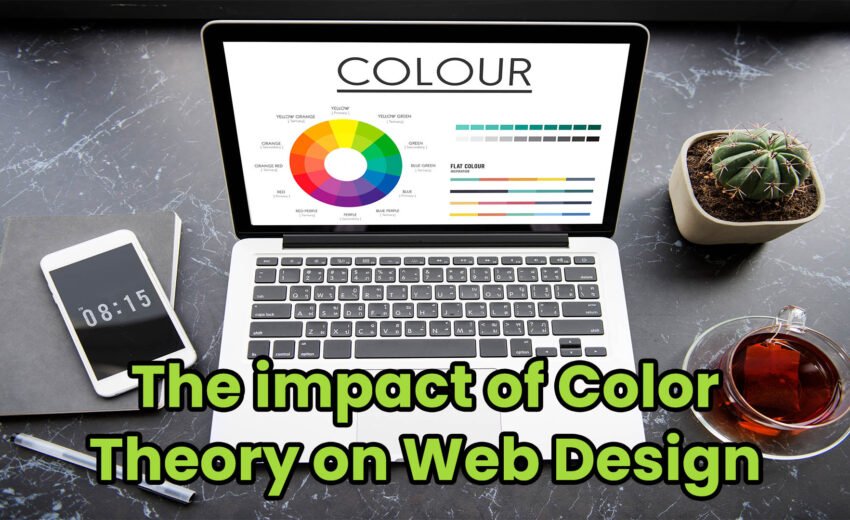
In the world of web design, color is not merely an aesthetic choice; it’s a powerful tool that influences user perception, emotion, and interaction. Understanding the principles of color theory is essential for designers aiming to create visually appealing and effective websites. Let’s delve into the impact of color theory on web design and how the strategic use of color can shape user experiences.
- Psychology of Color:
Color psychology is the study of how colors affect human behavior and emotions. Different colors evoke distinct feelings and associations. For example, blue often conveys trust and tranquility, while red may evoke energy and urgency. By incorporating the principles of color psychology, web designers can elicit specific emotional responses from users, enhancing the overall impact of a website.
- Branding and Identity:
Color plays a pivotal role in establishing and reinforcing a brand’s identity. Consistent use of colors across a website helps build brand recognition and fosters a sense of cohesion. Consider the iconic blue of Facebook or the vibrant red of Coca-Cola; these colors have become synonymous with the respective brands, showcasing the enduring impact of color on brand perception.
- Readability and Contrast:
Choosing the right color scheme is crucial for ensuring readability and accessibility. High contrast between text and background colors enhances legibility, especially for users with visual impairments. Web designers must carefully select colors that not only align with the brand but also prioritize readability to create a user-friendly experience.
- Call-to-Action (CTA) Optimization:
The color of a call-to-action button can significantly impact user engagement. The color should stand out from the rest of the page elements while complementing the overall design. For instance, a vibrant color like orange or green may be used to draw attention to a “Sign Up” or “Buy Now” button, prompting users to take the desired action.
- Cultural Considerations:
Color preferences and meanings can vary across cultures. It’s essential to consider the cultural context of your target audience when selecting a color palette. A color that carries positive connotations in one culture may have different associations in another. Cultural sensitivity in color choice is crucial for creating a globally inclusive design.
- Trends and Innovation:
Color trends in web design evolve over time, reflecting changes in design aesthetics and cultural influences. Staying informed about current color trends can inspire fresh and innovative design choices. However, designers should also balance trendiness with timeless principles to ensure that the color scheme remains relevant over the long term.
- Creating Visual Hierarchy:
Color can be used to establish a visual hierarchy, guiding users through the content and emphasizing key elements. Bold colors or contrasting hues can draw attention to important information, helping users navigate the website intuitively. Thoughtful use of color ensures that users focus on critical elements without feeling overwhelmed.
Conclusion:
Color theory is a dynamic and multifaceted aspect of web design that goes beyond aesthetics. By leveraging the principles of color psychology, considering brand identity, and prioritizing readability, designers can create visually stunning and purposeful websites. The impact of color on user perception and behavior is undeniable, making it a fundamental element in the art and science of web design. As you embark on your design journey, embrace the palette of possibilities that color theory offers, and let your creativity shine through vibrant and meaningful web experiences.